
Choosing the right radiators for a combi boiler is essential if you want to get the most out of your heating system. While combi boilers are known for their efficiency and compact design, their performance largely depends on how well they are matched with the radiators in your home. Poor pairing can lead to uneven heating, higher energy bills, and unnecessary strain on the system.
When planning your setup, it’s also worth considering factors such as system upgrades and pipework. For example, when thinking about upgrading radiator pipes, ensuring compatibility between your boiler and radiators can significantly improve heat distribution and overall efficiency. A well-balanced system not only keeps your home comfortable but also helps reduce long-term maintenance issues.
Understanding How Combi Boilers Work
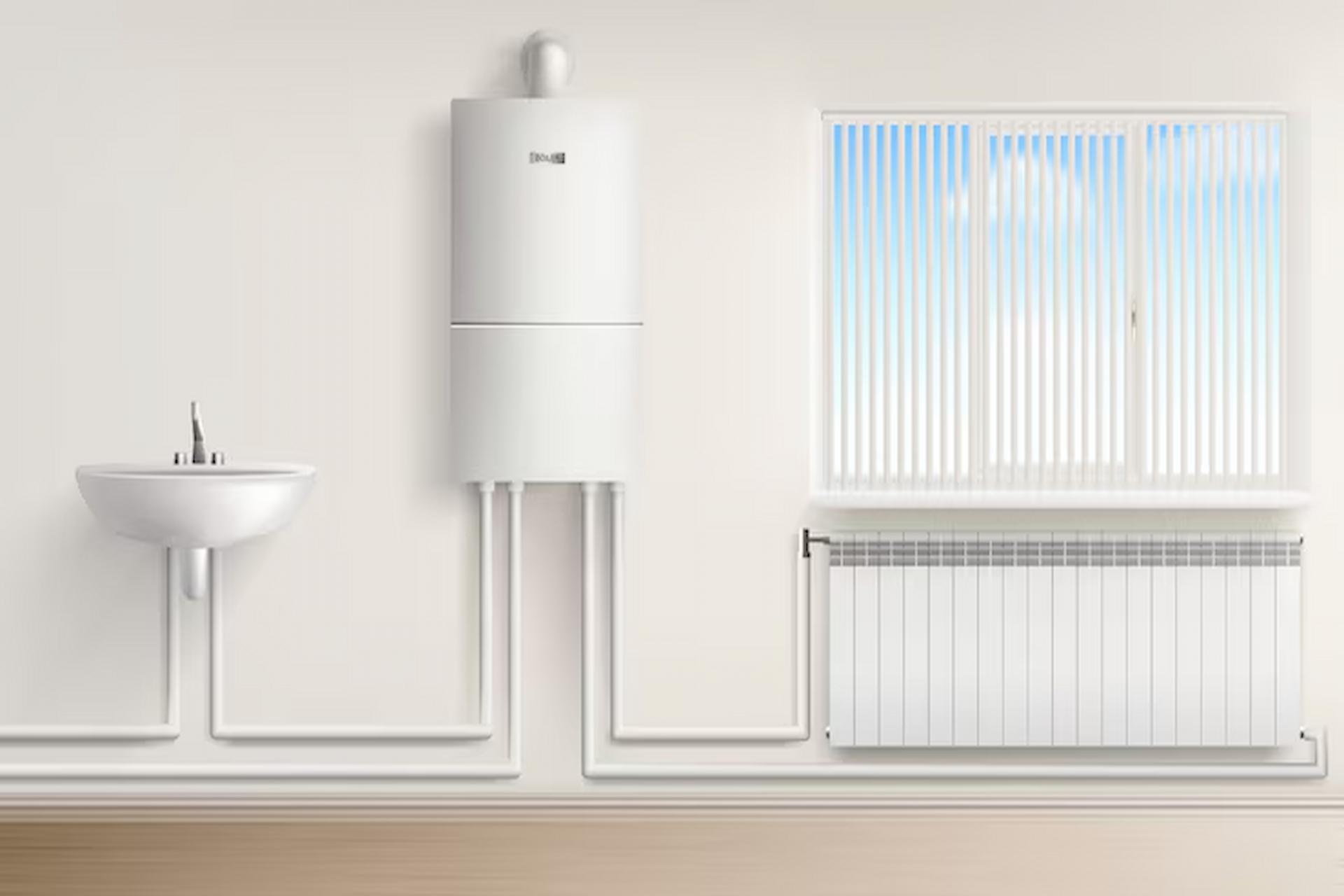
A combi (combination) boiler provides both central heating and hot water directly from one unit. Unlike traditional systems, it doesn’t rely on a separate water tank, which makes it ideal for smaller homes or properties with limited space.
However, combi boilers have a fixed output capacity. This means they can only supply a certain amount of heat at any given time. If your radiators demand more heat than the boiler can provide, you may experience cold spots or inconsistent temperatures across your home.
Choosing the Right Radiator Size
Radiator size plays a key role in achieving maximum efficiency. Each room requires a specific heat output, usually measured in BTUs (British Thermal Units). Selecting radiators that are too small will leave rooms underheated, while oversized units may waste energy.
To get this right:
- Calculate the heat requirement of each room based on size, insulation, and window area
- Match the radiator’s BTU output to the room’s needs
- Consider double-panel or high-output radiators for larger or colder spaces
Correct sizing ensures your combi boiler operates within its optimal range without being overworked.
Matching Radiator Output With Boiler Capacity
A common mistake is installing radiators that collectively exceed the boiler’s output capacity. Even if individual radiators are correctly sized, the total demand must align with what the boiler can handle.
For example, if your combi boiler has an output of 24kW, the combined heat requirement of all radiators should not exceed this figure. Otherwise, the system may struggle to maintain consistent heating, especially during colder months.
Balancing this relationship helps maintain steady performance and prevents unnecessary energy consumption.
The Importance of System Balancing
System balancing is the process of adjusting the flow of hot water through each radiator to ensure even heat distribution. Without proper balancing, some radiators may heat up quickly while others remain lukewarm.
This can be corrected by adjusting the lockshield valves on each radiator. By fine-tuning the flow, you ensure that every room receives the right amount of heat without overloading the boiler.
A balanced system improves comfort and allows your combi boiler to run more efficiently.
Pipework and Heat Distribution
Radiator performance is not just about the units themselves. The pipework connecting them plays a crucial role in how effectively heat is delivered throughout the home.
Older or narrow pipes may restrict water flow, reducing the efficiency of the system. In such cases, upgrading radiator pipes can improve circulation and ensure that heat reaches every radiator evenly.
Modern pipework systems are designed to handle higher flow rates, making them better suited for newer combi boilers and high-efficiency radiators.
Choosing the Right Radiator Type
Not all radiators perform the same way. The type you choose can influence both heat output and energy efficiency.
Some common options include:
- Panel radiators: Ideal for most homes, offering a balance of efficiency and affordability
- Column radiators: Provide strong heat retention and suit period-style interiors
- Vertical radiators: Great for saving wall space in smaller rooms
- Designer radiators: Combine functionality with aesthetic appeal
When pairing with a combi boiler, focus on radiators that heat up quickly and respond well to temperature changes.
Thermostatic Controls and Smart Heating
Adding thermostatic radiator valves (TRVs) or smart controls can significantly improve efficiency. These devices allow you to regulate the temperature of individual rooms rather than heating the entire house uniformly.
Benefits include:
- Reduced energy consumption by heating only occupied spaces
- Better temperature control in different rooms
- Lower strain on the combi boiler
Smart heating systems can take this further by learning your habits and adjusting heating schedules automatically.
Avoiding Common Mistakes
When pairing radiators with a combi boiler, a few common errors can reduce system efficiency:
- Installing too many radiators for the boiler’s capacity
- Ignoring pipework condition and layout
- Skipping system balancing after installation
- Choosing radiators based only on appearance rather than performance
Avoiding these issues ensures your heating system works as intended and delivers consistent results.
When to Consider Upgrades
If your current system struggles to maintain temperature or takes too long to heat up, it may be time to reassess your setup. Upgrades don’t always mean replacing everything. Sometimes, improving specific components—such as pipework or radiator placement—can make a noticeable difference.
Thinking about upgrading radiator pipes alongside radiator replacement can help modernise your system and improve long-term efficiency. This is particularly important in older properties where existing pipework may not support modern heating demands.
Conclusion
Pairing radiators correctly with a combi boiler is about more than just installation. It requires careful planning, accurate sizing, and attention to system balance. When all components work together, the result is a heating system that delivers consistent warmth, uses energy efficiently, and operates reliably over time.
By considering factors such as radiator output, boiler capacity, pipework condition, and smart controls, you can create a setup that meets both your comfort needs and energy goals. A well-designed system not only enhances day-to-day living but also helps reduce long-term costs, making it a worthwhile investment for any home.