
Introduction
Warm climates often mean long cooling seasons and higher energy demands. For many homeowners, keeping indoor spaces comfortable without dramatically increasing electricity bills has become an important concern. Traditional central air conditioning systems have served households for decades, but newer technologies are offering alternative ways to cool homes more efficiently.
One solution gaining attention is the ductless cooling system, commonly known as a mini-split system. These systems provide targeted cooling without requiring extensive ductwork, making them particularly useful in homes where installing traditional ducts is difficult or inefficient. Their growing popularity is linked to improved energy efficiency, flexible installation options, and the ability to control temperatures room by room.
As homeowners and property managers explore better cooling strategies for warm climates, ductless systems are becoming an attractive option for both new construction and home upgrades.
Understanding How Ductless Cooling Systems Work
Ductless cooling systems operate differently from traditional central HVAC systems. Instead of using ducts to distribute cooled air throughout a home, these systems deliver conditioned air directly into specific rooms or zones.
Key Components of a Ductless System
A typical ductless mini-split system includes three main components:
- Indoor air handler: mounted on a wall or ceiling inside the room
- Outdoor condenser unit: located outside the building
- Refrigerant line set: connecting the indoor and outdoor units
These components work together to remove heat from indoor air and transfer it outside, creating a comfortable indoor environment.
How Cooling Is Delivered Without Ductwork
Because the system delivers air directly to each room, there is no need for complex duct networks. This approach offers several benefits:
- Reduced energy loss
- More efficient temperature control
- Easier installation compared with central systems
By eliminating ductwork, homeowners can often achieve better cooling performance while avoiding common problems such as duct leaks and uneven airflow.
Why Warm Climate Homes Are Switching to Ductless Systems
Homes located in warm climates often experience extended periods of heat throughout the year. As a result, cooling systems may operate for many hours each day, increasing energy consumption and operating costs.
Ductless systems address several challenges that homeowners face in these environments.
First, they provide flexible cooling zones, allowing homeowners to cool only the rooms being used rather than the entire house. Second, their compact design makes them suitable for homes that lack existing ductwork or have undergone renovations or additions.
Another factor driving their popularity is the growing awareness of energy efficiency. As electricity prices increase and homeowners look for ways to reduce energy usage, ductless systems present an appealing alternative to traditional cooling methods.
Energy Efficiency Advantages of Ductless Cooling
Energy efficiency is one of the main reasons ductless cooling systems have become widely adopted in warm regions. Their design minimizes energy waste and allows for more precise temperature management.
Reduced Energy Loss
Traditional duct systems can lose a significant amount of energy due to leaks, poor insulation, or long duct runs through attics and crawl spaces. Ductless systems eliminate this issue by delivering cooled air directly into living spaces.
Zoned Cooling for Better Efficiency
With a ductless system, homeowners can cool individual rooms independently. Bedrooms, living areas, and home offices can each have separate temperature settings. This zoning capability helps reduce unnecessary energy consumption.
When homeowners begin exploring efficient cooling solutions, many choose to consult professionals who specialize in mini split installation in Chandler, AZ to ensure the system is correctly sized and installed for optimal performance.
Smart Temperature Control
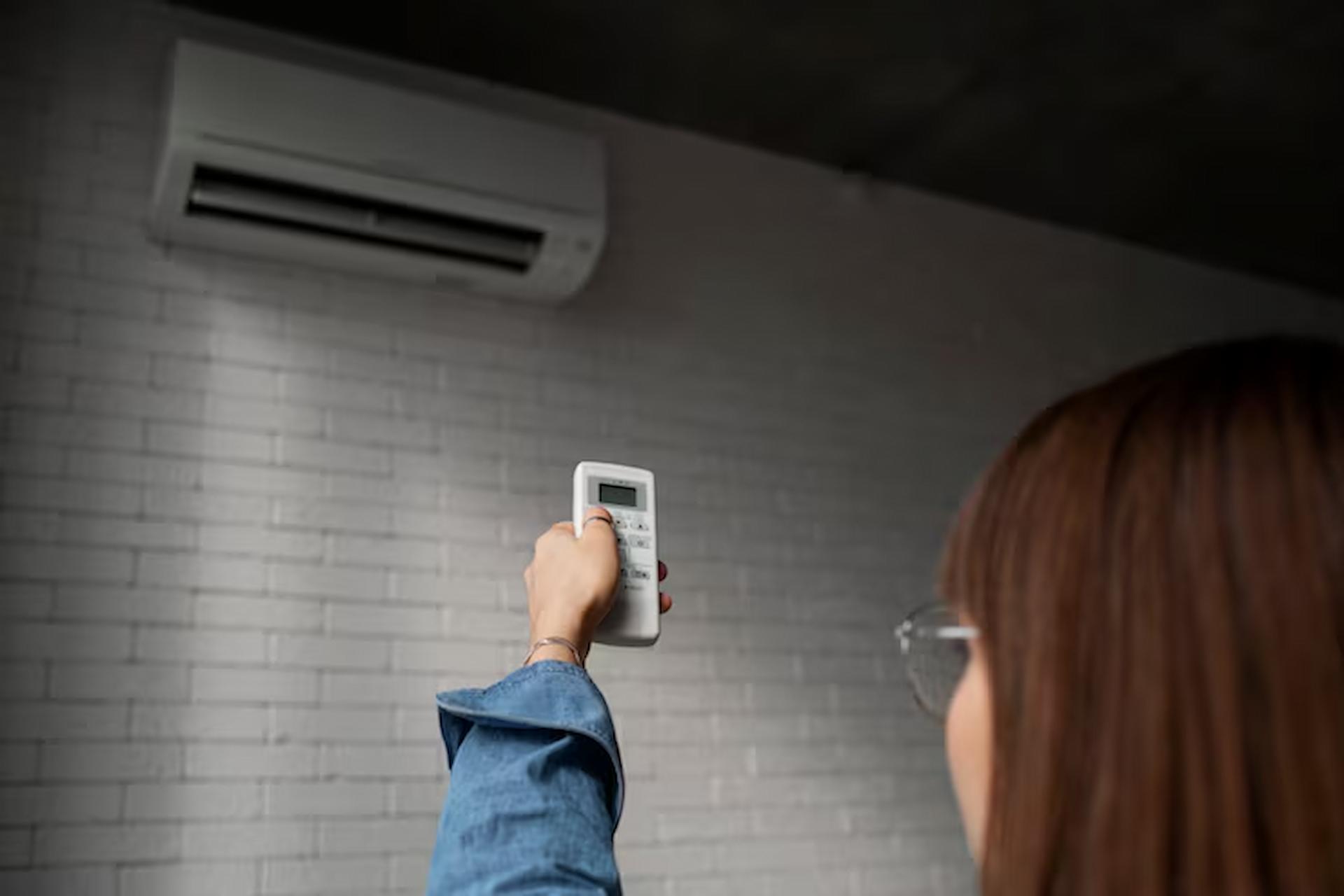
Modern ductless systems often include programmable controls and smart thermostat compatibility. These features allow homeowners to adjust temperatures remotely, schedule cooling cycles, and maintain comfortable conditions while minimizing energy use.
Ideal Homes and Spaces for Ductless Mini-Split Systems
Ductless systems are especially useful in situations where traditional HVAC systems may not be practical or efficient.
Some common examples include:
- Older homes without ductwork
- Room additions or renovations
- Converted garages or basements
- Guest houses or rental suites
- Home offices and studio spaces
Because installation requires only a small wall opening for refrigerant lines, ductless systems can often be installed quickly with minimal disruption to the home.
In warm climates where cooling needs vary from room to room, the ability to control individual zones can significantly improve overall comfort.
Comfort and Air Quality Improvements
Beyond energy efficiency, ductless systems can also improve overall indoor comfort and air quality.
Consistent Temperature Control
One common complaint with central HVAC systems is uneven cooling, where some rooms feel warmer than others. Ductless systems address this issue by delivering air directly into each zone, helping maintain consistent temperatures throughout the home.
Quiet Operation
Indoor units are designed to operate quietly, often producing far less noise than window air conditioners or older HVAC systems. This makes them ideal for bedrooms, offices, and other quiet spaces.
Improved Indoor Air Quality
Many ductless systems include advanced filtration features that help remove dust, allergens, and other airborne particles. Without ducts collecting debris and contaminants, indoor air may remain cleaner over time.
Installation Considerations for Homeowners
Although ductless systems are relatively straightforward to install, proper planning is essential to achieve the best results.
System Sizing
Choosing the correct system capacity is important. A unit that is too small may struggle to cool the space, while an oversized system may cycle inefficiently. Professional evaluation helps ensure the system matches the room’s size and cooling requirements.
Homeowners considering an upgrade often research mini split installation in Chandler, AZ to work with experienced technicians who can determine the appropriate system configuration.
Indoor Unit Placement
The placement of indoor units affects both performance and aesthetics. Installers typically position them high on walls or ceilings where airflow can circulate effectively throughout the room.
Outdoor Unit Location
Outdoor units should be installed in a location with adequate airflow and protection from extreme weather conditions. Proper placement helps improve system efficiency and prolong equipment lifespan.
Long-Term Value and Cost Savings
While the initial investment for ductless systems can vary depending on the number of zones installed, many homeowners find that the long-term benefits outweigh the upfront costs.
Energy savings are often one of the biggest advantages. Because ductless systems operate efficiently and cool only occupied spaces, electricity usage can be significantly reduced over time.
Lower maintenance requirements can also contribute to long-term savings. With fewer components than large ducted systems, routine upkeep is often simpler and less expensive.
For homeowners in warm regions, consulting professionals experienced in mini split installation in Chandler, AZ can help ensure that the system is installed correctly and operates efficiently for many years.
Conclusion
Ductless cooling systems have become an increasingly popular choice for homes in warm climates. Their ability to provide efficient, targeted cooling makes them well suited for modern households seeking better comfort and lower energy costs.
By eliminating ductwork, offering flexible zoning options, and improving overall efficiency, ductless systems provide a practical solution for many homes. Whether used for entire houses, new additions, or specific rooms, they offer reliable performance in regions where cooling is essential for much of the year.
As awareness of energy efficiency continues to grow, ductless mini-split systems are likely to remain a preferred cooling option for homeowners looking to balance comfort, cost savings, and long-term reliability.