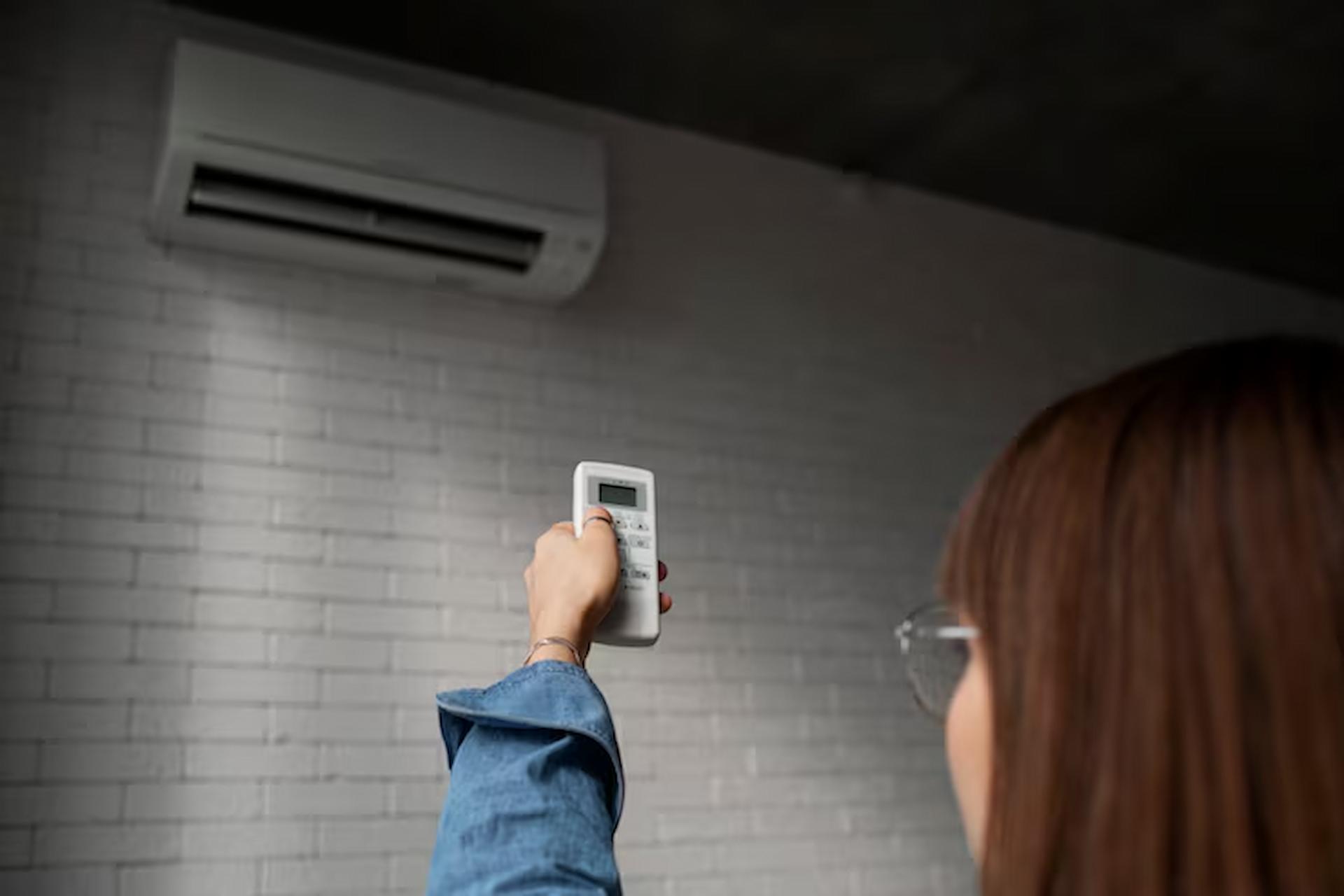


Understanding Common Heat Pump Issues
Air source heat pumps are designed to deliver reliable heating and cooling with minimal effort. However, like any system, they can develop issues over time. Recognising early signs of a problem helps prevent bigger disruptions later. Small, fixable faults often cause many issues that appear serious at first. Unusual noises, reduced airflow, or a sudden drop in heating efficiency may indicate something simple, such as a blocked filter or incorrect thermostat settings. Before assuming the worst, it’s worth checking a few basic elements around the system. Simple steps can sometimes restore performance without needing technical help. Still, it’s essential to know when professional support is necessary. A service provider such as ServiceMy often deals with similar issues daily and understands patterns that may not be obvious to homeowners. Understanding the difference between a quick fix and a deeper problem is key to keeping a heat pump running smoothly all year round.
Fixing Poor Heating or Cooling Performance
One of the most common complaints about air-source heat pumps is reduced performance. If the system is not producing enough heat, the first step is to check the thermostat. Incorrect settings or accidental adjustments can reduce temperature output. It’s also essential to ensure the system is in heating mode rather than standby or cooling mode. Another common cause is restricted airflow. Dirty or clogged filters can make the pump work much harder than necessary, lowering efficiency. Regularly cleaning or replacing filters is a simple yet effective way to improve performance. Outdoor units may also become obstructed by leaves, dirt, or snow. Clearing space around the unit ensures air can flow freely. If the pump continues to perform poorly even after these steps, the issue may involve refrigerant levels, electrical components, or internal sensors. These problems require an expert diagnosis to avoid causing damage. When basic troubleshooting fails, contacting a skilled technician ensures the issue is resolved safely and correctly.
Addressing Strange Noises and Vibrations
Air source heat pumps usually operate quietly, so any new noise should be taken seriously. Rattling, buzzing, or grinding sounds often point to loose components. Before calling an expert, check that the external panels and screws on the outdoor unit are secure. Sometimes, minor vibrations can be corrected by tightening visible parts. Fan blades may also collect debris, which can create noise during operation. Turning off the power and clearing the blades often helps. Whistling or hissing sounds, however, are more concerning. These noises can indicate refrigerant leaks or pressure imbalances within the system. Grinding or metal-on-metal sounds may signal a failing motor or worn-out bearings. These are issues that should not be handled at home. A technician can inspect the parts safely and determine whether repair or replacement is necessary. While simple noises may have simple explanations, persistent or unusual sounds should be addressed quickly to prevent significant damage to the unit.
Solving Defrosting and Ice Build-Up Problems
During winter, it is normal for the outdoor unit of a heat pump to develop some frost. However, excessive ice can interfere with the system’s ability to absorb heat. Modern systems include automatic defrost functions, but these can occasionally fail. Homeowners can start by checking airflow around the outdoor unit. Blocked vents or overgrown plants can trap moisture, leading to ice formation. Clearing obstructions often solves the issue. It’s also important to make sure the unit sits level. Water may pool on one side if the system is tilted, increasing the risk of ice. Another quick fix is cleaning the outdoor coils, as dirt or debris may prevent proper heat exchange. If heavy ice remains or the system repeatedly enters defrost mode, a deeper issue may be present. Faulty sensors, low refrigerant, or malfunctioning valves might be to blame. These are technical problems that require an experienced specialist. Seeking help from a professional ensures the system is protected and restored to full function.
Troubleshooting Power Issues and System Shutdowns
If an air source heat pump fails to turn on, the cause may be simpler than expected. Start by checking the power supply. A tripped breaker or blown fuse is a common cause of sudden shutdowns. Resetting the breaker or replacing a fuse often solves the problem quickly. It is also useful to check external weather protection switches, as they may shut off power during storms or maintenance. Thermostat batteries can also run low, preventing the system from responding. Replacing them may restore normal operation. If the system still does not start, electrical components inside the pump may be faulty. Wiring issues, control board faults, or sensor failures can stop the unit from functioning altogether. These problems should only be handled by a qualified expert to avoid electrical risks. When simple checks don’t restore power, the safest step is to schedule a technical inspection. A knowledgeable technician can identify the exact cause and ensure the system is safe to use.
Knowing When to Call an Expert
Many heat pump issues can be resolved with simple checks. However, knowing when to stop troubleshooting is just as important. Problems involving refrigerant, electrical faults, internal motors, or pressure systems should never be handled without proper training. Attempting to fix these issues alone can lead to further damage or safety hazards. Persistent performance problems, unusual noises, or recurring shutdowns also signal that professional support is needed. A specialist from a service provider like ServiceMy can diagnose hidden issues that are not visible from the surface. Regular maintenance is also a wise step to prevent breakdowns and keep the system running efficiently. Experts can spot early signs of wear and ensure each component operates correctly. In the long run, recognising when to call a professional protects both the equipment and the home. Simple troubleshooting is useful, but expert attention ensures long-lasting reliability.