
Introduction
A well-functioning air conditioning system is essential for maintaining comfort, especially during warmer months. However, many homeowners overlook early warning signs of system decline, often waiting until a complete breakdown occurs. At this stage, costs tend to rise sharply, and urgent decisions become unavoidable.
In many cases, exploring professional services such as AC installation in Warsaw, IN becomes necessary when repairs are no longer effective or financially sensible. Recognising the early indicators of system failure can help homeowners plan ahead and avoid unexpected discomfort.
Understanding the Early Warning Signs of AC Failure
Air conditioning systems rarely stop working without warning. Instead, they typically show gradual signs of decline that become more noticeable over time. One of the most common indicators is inconsistent cooling, where certain rooms feel significantly warmer than others despite the system running continuously.
Another key sign is reduced airflow. When vents begin to push out weaker air, it often suggests internal issues such as clogged filters, failing components, or ductwork inefficiencies. Unusual noises, including rattling, grinding, or buzzing, should also never be ignored, as they may indicate mechanical wear or loose parts within the system.
Foul or musty odors can also signal deeper issues, such as mold growth inside the unit or drainage problems. These warning signs, when combined, often point toward a system that is approaching the end of its operational life.
Rising Energy Bills and Declining Efficiency
One of the most overlooked indicators of a failing AC system is an unexpected increase in energy consumption. When an air conditioner loses efficiency, it must work harder to maintain the same temperature levels, resulting in higher electricity usage.
Older systems are particularly vulnerable to efficiency loss, especially if they have not been maintained regularly. Components such as compressors and coils degrade over time, reducing overall performance. Even with routine servicing, systems that are more than a decade old may struggle to meet modern efficiency standards.
For homeowners, this often leads to a situation where monthly utility costs steadily rise without a clear explanation, making it financially practical to consider replacement rather than continued repair.
How Long Should an Air Conditioning System Last?
The average lifespan of a residential air conditioning system typically ranges between 10 and 15 years. However, this can vary depending on usage patterns, maintenance frequency, and environmental conditions.
In regions with prolonged summer heat, systems tend to experience more strain, which can shorten their operational lifespan. Similarly, units that receive irregular maintenance or filter changes are more likely to fail earlier.
As systems age, they not only become less efficient but also more prone to breakdowns. At a certain point, investing in repeated repairs becomes less cost-effective than opting for a full system replacement.
Repair vs Replacement: Making the Right Decision
Deciding between repairing and replacing an air conditioning system can be challenging. Minor issues such as thermostat faults or filter replacements are generally affordable and worth addressing. However, when major components such as compressors or evaporator coils begin to fail, repair costs can escalate quickly.
A helpful rule of thumb is to consider replacement when repair costs exceed a significant portion of a new system’s value or when breakdowns become frequent. In such cases, continuing repairs may only provide temporary relief without solving underlying inefficiencies.
Professional HVAC assessments can provide clarity, helping homeowners determine whether continued repair or full replacement is the most practical option.
What to Expect During a New AC Installation
When replacement becomes necessary, the installation process plays a crucial role in long-term performance. A properly planned installation begins with a detailed assessment of the property, including room size, insulation quality, and cooling requirements.
Technicians then recommend a system that matches the home’s specific needs, ensuring balanced airflow and energy efficiency. Modern systems are designed to provide improved temperature control while reducing overall energy consumption.
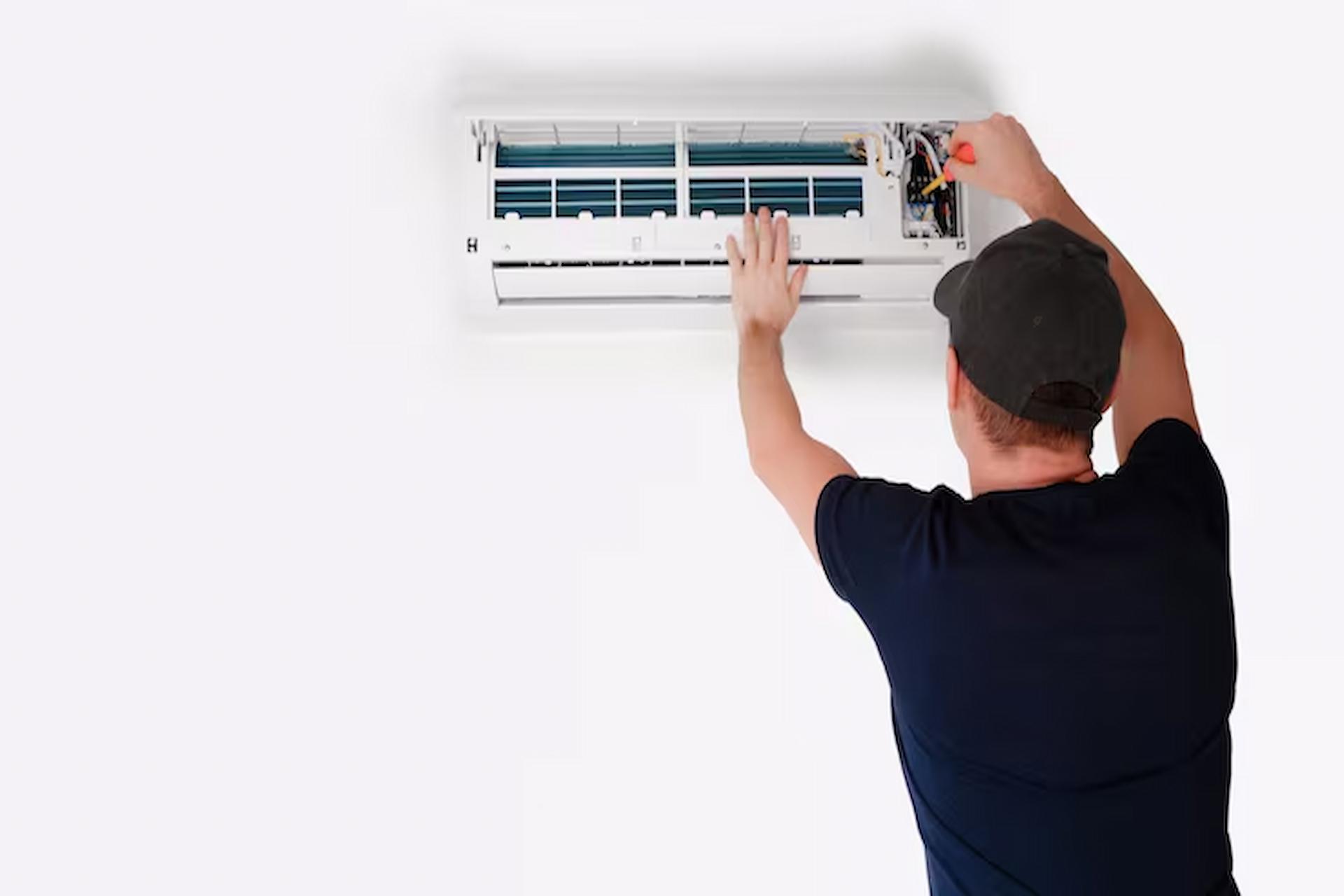
During installation, the old unit is carefully removed, and the new system is integrated into the existing infrastructure. This includes ductwork checks, electrical connections, and system calibration to ensure optimal performance.
Homeowners considering AC installation in Warsaw, IN often benefit from understanding this process in advance, as it highlights the importance of professional setup in achieving long-term efficiency and reliability.
Energy Efficiency and Modern Cooling Solutions
Modern air conditioning systems are significantly more efficient than older models. Advances in technology have introduced features such as variable-speed compressors, smart thermostats, and zoned cooling systems, all of which contribute to improved energy management.
These upgrades not only enhance comfort but also reduce long-term operational costs. By maintaining consistent indoor temperatures with less energy consumption, newer systems offer a more sustainable and cost-effective solution for homeowners.
In addition, smart integration allows users to control temperature settings remotely, ensuring better control over energy usage even when away from home.
The Importance of Professional Installation
Even the most advanced air conditioning system will underperform if not installed correctly. Proper installation ensures that the unit is correctly sized, efficiently connected, and fully optimised for the property’s layout.
Incorrect installation can lead to airflow issues, uneven cooling, and increased energy consumption. It may also reduce the overall lifespan of the system, leading to more frequent repairs and higher long-term costs.
This is why professional installation remains a critical factor in ensuring system reliability, efficiency, and durability.
Conclusion
An air conditioning system rarely stops working without warning, and recognising the early signs of decline can save homeowners from costly breakdowns and inefficient energy use.
Issues such as frequent repairs, inconsistent cooling, and increasing utility bills often indicate that the system is approaching the end of its operational lifespan. In such cases, continuing with repairs may only provide short-term relief rather than a lasting solution.
Investing in a modern, energy-efficient replacement ensures improved performance, better temperature control, and reduced long-term costs. By taking timely action and prioritising professional installation, homeowners can maintain a comfortable indoor environment while enhancing the overall efficiency and reliability of their home cooling system.