
Thinking about a garage door replacement? The right garage door can improve kerb appeal, boost home security, increase energy efficiency, and add long-term property value. This homeowner’s guide explains when replacement makes sense, how to choose the best materials and styles, and which modern features are worth the investment. Learn about insulation, smart openers, safety standards, installation expectations, and expert tips to help you make a confident, informed decision.
Introduction
A garage door is one of the largest and most visible features of a home. It affects appearance, security, energy efficiency, and day-to-day convenience. Despite its importance, many homeowners only think about replacing a garage door when it stops working. By that stage, the door may already be affecting the property’s value, safety, and kerb appeal.
Replacing a garage door is not simply about fixing a problem. It is an opportunity to improve the look of your home while adding practical benefits that can last for many years. A well-chosen garage door can make a property appear newer, more attractive, and better maintained. It can also improve insulation, reduce noise, and provide stronger protection against weather and intruders.
Many home improvement studies consistently rank garage door replacement among the projects with the highest return on investment. Homeowners often recover a large portion of the installation cost through increased property value. Whether you are planning to sell in the future or simply want a better-performing home, replacing an ageing garage door can be a worthwhile investment.
Signs That It Is Time to Replace Your Garage Door
Not every garage door problem requires a full replacement. Minor issues such as worn rollers, damaged weather seals, or a faulty remote can often be repaired.
However, replacement may be the smarter option when repairs become frequent or expensive. If the door has significant dents, warping, rust, cracked panels, or structural damage, investing more money into repairs may no longer make sense.
An outdated door can also create problems beyond appearance. Older models often lack modern safety features and may provide poor insulation. If your garage feels extremely hot in summer or cold during winter, the door could be contributing to energy loss throughout the home.
Choosing the Right Garage Door Style
The style of your garage door should complement the design of your property. A well-matched door creates a balanced appearance and improves overall kerb appeal.
Traditional raised-panel doors remain a popular choice because they suit a wide range of homes. Carriage-style doors offer a classic appearance inspired by historic coach houses and work particularly well with cottage and country-style properties.
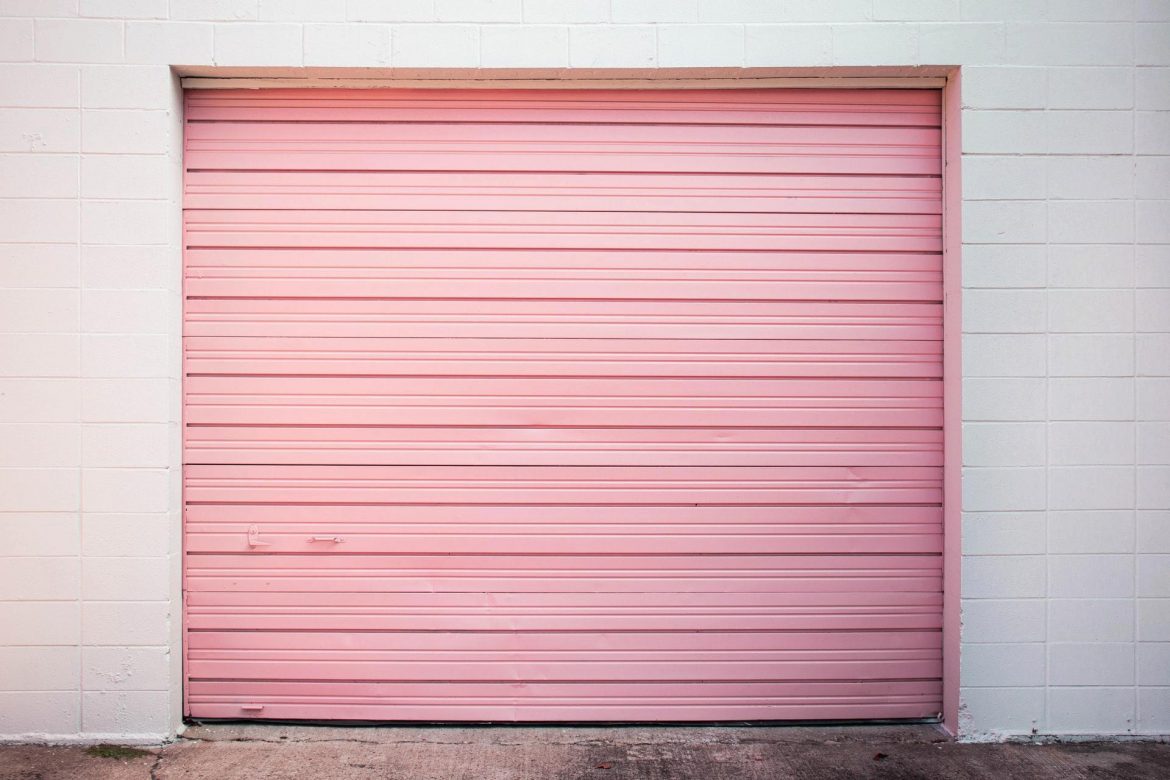
Modern homes often benefit from sleek garage doors featuring clean lines, glass panels, and minimalist designs. These doors create a contemporary appearance while allowing natural light into the garage space. When selecting a style, it is important to consider the home’s architecture rather than following temporary trends. A timeless design often provides the best long-term value.
Understanding Garage Door Materials
The material you choose will influence durability, maintenance requirements, appearance, and cost. Steel remains one of the most common options. It is strong, relatively affordable, and available in many styles and finishes. Modern steel doors can also include insulation for improved energy efficiency.
Wood offers natural beauty and character that many homeowners appreciate. However, it typically requires more maintenance to protect against moisture and weather damage. Aluminium doors are lightweight and resistant to rust. They work particularly well in modern designs but may be more prone to dents than steel.
Fibreglass is another option that resists moisture and can imitate the appearance of wood while requiring less maintenance. It is often a practical choice in areas with changing weather conditions.
The Importance of Insulation
Insulation is an important feature that many homeowners overlook during the selection process. An insulated garage door helps regulate temperatures inside the garage. This can make a noticeable difference if the garage is attached to the home or used as a workshop, gym, or storage area.
Better insulation can also reduce outside noise and improve overall comfort. When comparing products, pay attention to the insulation rating, often referred to as the R-value. Higher ratings generally provide better thermal performance.
Smart Features Worth Considering
Modern garage doors offer far more than simple opening and closing functions. Smart garage door openers allow homeowners to control and monitor access using a smartphone. This feature provides convenience and additional peace of mind when away from home.
Battery backup systems are becoming increasingly popular. They allow the garage door to operate during power outages, ensuring continued access when needed.
Some regions may also benefit from reinforced doors designed to withstand severe weather conditions. Features such as hurricane bracing provide extra protection during strong storms and high winds.
Safety Features Every Homeowner Should Know
Garage doors are heavy moving systems, which makes safety a critical consideration. Modern doors include automatic reversal systems that stop and reverse movement when an obstacle is detected. This feature helps prevent injuries and property damage.
Photo-eye sensors are another important safety component. These sensors detect objects or people beneath the door and prevent accidental closure. When replacing a garage door, ensure the installation complies with current safety standards. A professional installer can verify that all components operate correctly and safely.
What to Expect During Installation
Most garage door replacement projects can be completed within a single day, although more complex installations may take longer.
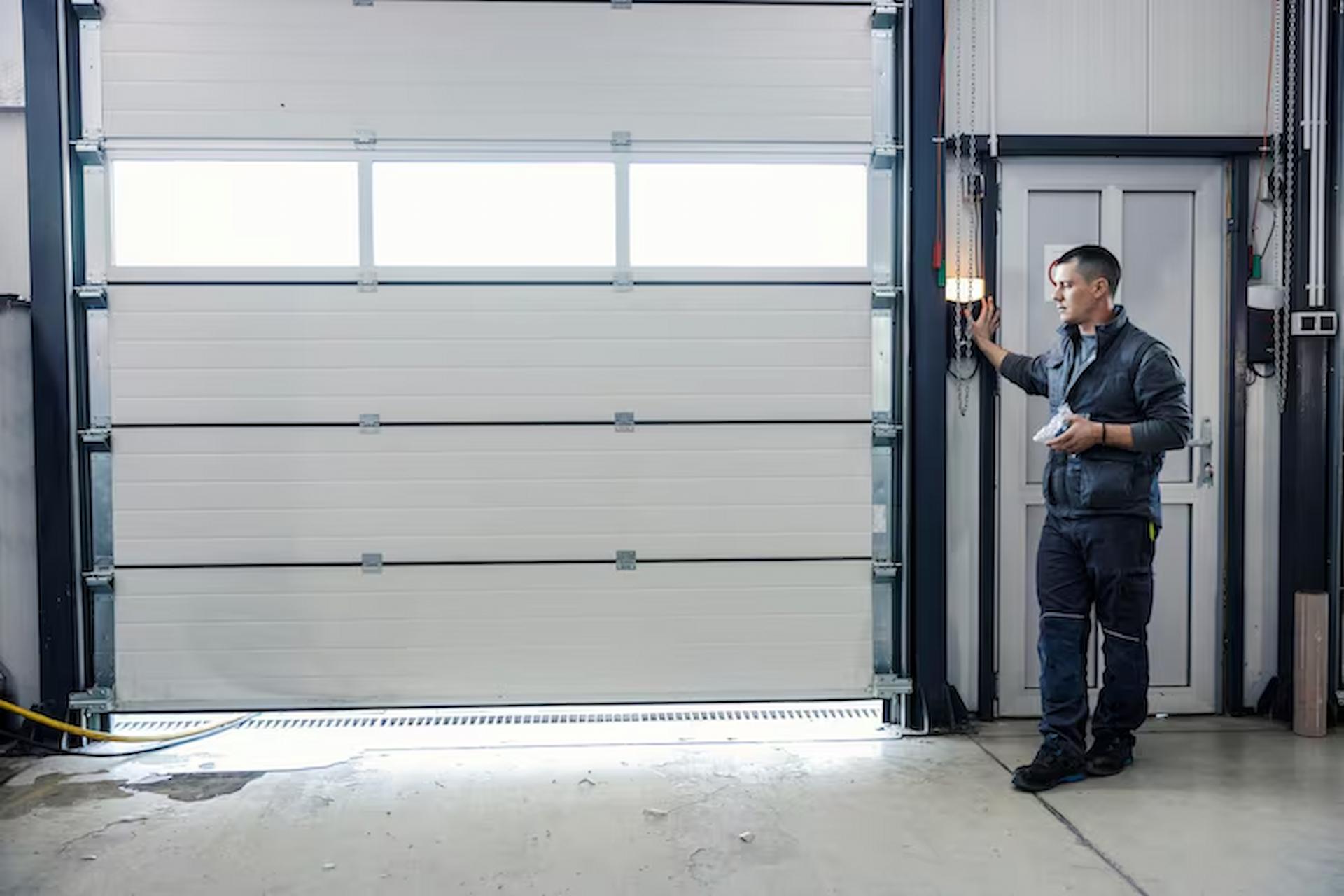
The process typically begins with removing the existing door and hardware. The new door, tracks, springs, and opener system are then installed and tested.
Before installation day, homeowners should clear the garage area to provide easy access for technicians. Once the work is complete, the installer should explain operation, maintenance requirements, and safety features.
Questions to Ask Before Hiring a Contractor
Choosing the right installer is just as important as choosing the right garage door.
Ask whether the company is licensed and insured. Request information about warranties covering both products and workmanship. It is also helpful to ask about installation timelines, maintenance recommendations, and any additional costs that may arise during the project. Reading reviews and obtaining multiple quotations can help ensure you receive fair pricing and quality service.
Frequently Asked Questions
How long does a garage door typically last?
A quality garage door can last between 15 and 30 years, depending on the material, maintenance, and local weather conditions. Regular servicing and prompt repairs can significantly extend its lifespan.
Does a new garage door increase property value?
Yes. Garage door replacement is often considered one of the highest-return home improvement projects. A modern, attractive door can improve kerb appeal and make a strong first impression on potential buyers.
Is an insulated garage door worth the extra cost?
For many homeowners, the answer is yes. Insulated doors improve energy efficiency, reduce outside noise, and create a more comfortable environment inside the garage throughout the year.
Can I replace a garage door myself?
While some homeowners may attempt installation, garage doors contain heavy components and high-tension springs that can be dangerous. Professional installation is generally recommended for safety and proper operation.
What is the best material for a garage door?
The best material depends on your budget, climate, and maintenance preferences. Steel is popular for its durability, while wood offers classic beauty and fibreglass provides low-maintenance performance.
Conclusion
Replacing a garage door is more than a maintenance task. It is an investment in your home’s appearance, safety, functionality, and long-term value. The right door can improve kerb appeal, strengthen security, increase energy efficiency, and provide reliable performance for years to come. By understanding your options and working with a qualified installer, you can make a confident decision that delivers lasting benefits. Whether your goal is modern style, improved safety, or higher property value, a well-planned garage door replacement can make a meaningful difference to your home.