
Keeping every room in your home at a comfortable temperature can sometimes feel impossible. One room may always seem too warm while another never feels warm enough, even when the thermostat is set correctly. These differences are often caused by a combination of home design, insulation, airflow, and how the heating and cooling system distributes air. Many homeowners exploring ductless mini splits for zoned comfort find that understanding the causes of uneven temperatures is the first step toward creating a more comfortable living environment.
Fortunately, there are several practical ways to improve temperature consistency throughout your home. From improving insulation to upgrading your HVAC system, even small changes can make a noticeable difference in comfort while helping reduce unnecessary energy use.
Understanding Hot and Cold Spots Around the House
Temperature differences are common in many homes, regardless of their age. Rooms with large windows often receive more direct sunlight during the day, while spaces located above garages or near unfinished attics may lose heat more quickly in colder weather. Multi-story homes also experience natural temperature variations because warm air rises, making upper floors warmer than lower levels.
Airflow also plays an important role. If ducts are too long, poorly designed, or partially blocked, some rooms may receive less conditioned air than others. Closed interior doors, furniture placed over vents, and dirty air filters can further reduce airflow and contribute to uneven temperatures.
Start with Proper Insulation
One of the most effective ways to maintain consistent indoor temperatures is by improving your home’s insulation. Well-insulated walls, ceilings, and attics help slow the transfer of heat, allowing conditioned air to stay inside longer.
Older homes often have insulation that no longer meets current energy standards. Adding insulation to attics or sealing gaps around doors and windows can significantly reduce heat loss during winter and limit unwanted heat gain during summer. These improvements help your HVAC system operate more efficiently while creating a more comfortable indoor environment throughout the year.
Improve Airflow Throughout the Home
Even the most efficient heating and cooling system cannot perform well if airflow is restricted. Air must circulate freely throughout the home to maintain even temperatures from room to room.
Regularly replacing HVAC filters allows air to move more efficiently through the system. Keeping supply and return vents clear of furniture, rugs, and curtains also helps maintain proper circulation. In some cases, professional duct cleaning or duct sealing may improve airflow if the existing ductwork has leaks or accumulated debris.
Ceiling fans can also support better air circulation. During warmer months, fans create a cooling breeze, while reversing the fan direction during winter helps distribute warm air more evenly throughout the room.
Consider the Benefits of Zoned Heating and Cooling
Traditional central HVAC systems typically heat or cool the entire home using a single thermostat. While this approach works well for many households, it may not account for varying comfort needs in different areas of the home.
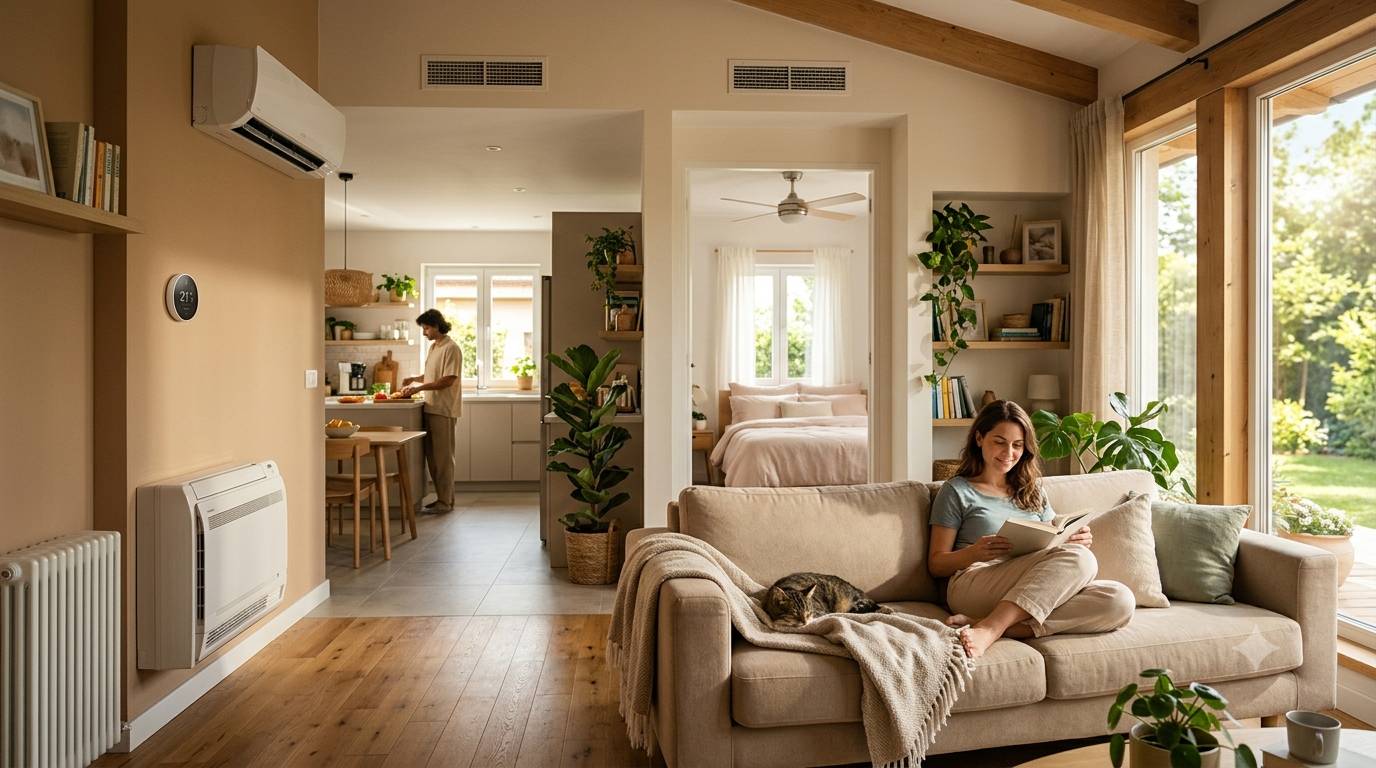
Zoned heating and cooling divides the home into separate areas that can be controlled independently. This allows homeowners to maintain different temperatures in bedrooms, living spaces, home offices, or finished basements without conditioning the entire house to the same setting.
Zoning can improve comfort while reducing unnecessary energy use because only occupied areas receive the heating or cooling they need.
Upgrade to a Smart Thermostat
Modern smart thermostats provide greater control over indoor temperatures than traditional programmable thermostats. Many models learn daily routines and automatically adjust heating and cooling schedules based on household activity.
Some systems also allow homeowners to control temperatures remotely using smartphone apps. This flexibility makes it easier to reduce energy use when no one is home while ensuring comfortable temperatures before returning.
When paired with properly maintained HVAC equipment, smart thermostats can help improve overall efficiency without sacrificing comfort.
Keep Your HVAC System Well Maintained
Routine maintenance is essential for maintaining even temperatures throughout the home. Heating and cooling systems gradually lose efficiency if they are not inspected and serviced regularly.
Annual professional maintenance allows technicians to inspect components, clean coils, check refrigerant levels when applicable, verify airflow, and identify potential issues before they become costly repairs. Regular maintenance also helps equipment operate more efficiently and extends its overall lifespan.
Homeowners should also replace air filters according to the manufacturer’s recommendations since clogged filters restrict airflow and force HVAC systems to work harder than necessary.
Simple Habits That Improve Indoor Comfort
Along with system upgrades, everyday habits can make a noticeable difference in maintaining comfortable indoor temperatures.
- Keep air vents open and free from obstructions.
- Replace HVAC filters regularly to maintain proper airflow.
- Use ceiling fans to improve air circulation throughout the year.
- Seal gaps around doors and windows to reduce drafts.
- Close blinds or curtains during the hottest part of the day to reduce solar heat gain.
- Schedule annual HVAC maintenance to keep the system operating efficiently.
These simple practices help support consistent temperatures while reducing strain on heating and cooling equipment.
When It May Be Time for a System Upgrade
If certain rooms remain consistently uncomfortable despite regular maintenance, the existing HVAC system may no longer meet the home’s needs. Older equipment often operates less efficiently than modern systems and may struggle to maintain balanced temperatures as homes age or undergo renovations.
An HVAC professional can evaluate the home’s layout, insulation, ductwork, and equipment performance before recommending appropriate improvements. In some cases, upgrading the existing system or adding zoning capabilities can significantly improve comfort without requiring major structural changes.
Conclusion
Maintaining the perfect temperature in every room requires more than simply adjusting the thermostat. Insulation, airflow, home design, HVAC maintenance, and temperature control all contribute to how comfortable each space feels throughout the year. Addressing these factors together helps eliminate hot and cold spots while improving overall energy efficiency.
Whether your home is newly built or several decades old, taking a thoughtful approach to temperature management can create a more comfortable living environment for everyone. By combining regular maintenance with practical home improvements and modern climate control solutions, homeowners can enjoy consistent comfort in every room while making the most of their heating and cooling system.