
Introduction
Preparing your air conditioner for summer is one of the most important steps homeowners can take to maintain indoor comfort, improve energy efficiency, and avoid costly HVAC repairs. As temperatures rise, cooling systems are forced to work harder and longer, placing extra pressure on essential components such as compressors, filters, and condenser units. Without proper air conditioner maintenance, even minor issues can quickly develop into serious cooling problems during peak summer heat.
Regular HVAC maintenance helps improve airflow, reduce energy bills, and extend the lifespan of your cooling system. Tasks such as replacing air filters, cleaning outdoor units, and scheduling professional inspections can significantly improve system performance before extreme temperatures arrive. Many homeowners rely on experienced AC repair experts to identify hidden issues early and ensure their air conditioning systems are fully prepared for continuous summer operation. Taking preventative action now can help prevent emergency breakdowns, improve cooling efficiency, and keep your home consistently comfortable throughout the hottest months of the year.
Why Cooling Systems Struggle During Extreme Heat
Air conditioners naturally experience more stress during periods of extreme heat. When outdoor temperatures remain high for extended periods, HVAC systems must run continuously to maintain indoor comfort levels.
Several common issues can reduce system performance during summer, including:
- Dirty air filters
- Refrigerant leaks
- Blocked condenser units
- Poor airflow
- Thermostat malfunctions
- Worn electrical components
Older systems are particularly vulnerable because they may already be operating less efficiently. Without proper maintenance, the added workload can quickly lead to overheating or component failure.
Extreme heat can also expose hidden problems that may not be noticeable during milder weather. Weak airflow, unusual noises, or inconsistent cooling are often early warning signs that should not be ignored.
Replace or Clean Air Filters Before Summer Starts
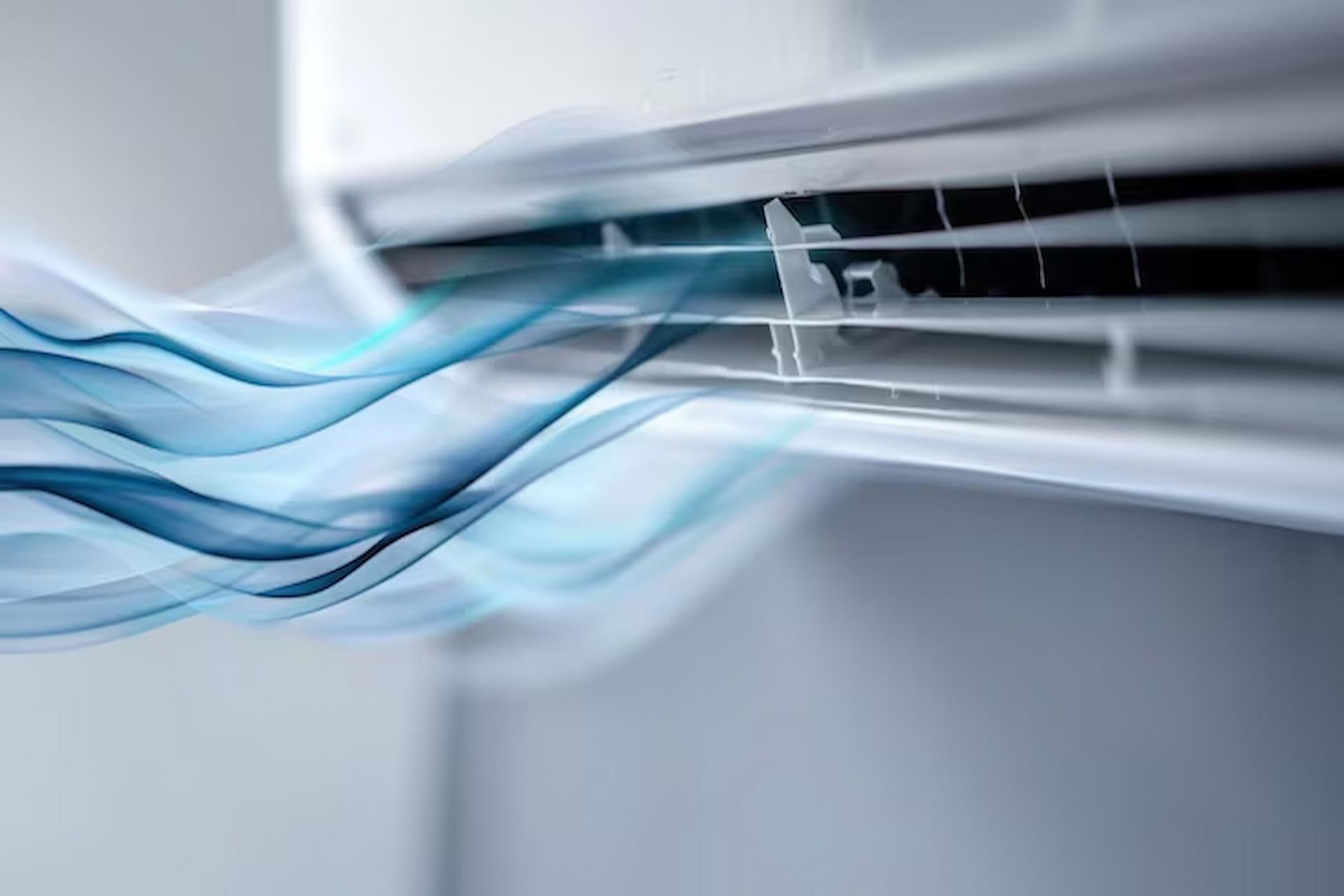
One of the easiest and most effective maintenance tasks is replacing or cleaning your air filters. Dirty filters restrict airflow, forcing your air conditioner to work much harder to cool your home.
Restricted airflow can lead to:
- Higher energy consumption
- Uneven cooling
- Reduced indoor air quality
- Frozen evaporator coils
- Increased wear on system components
Most homeowners should check their filters every one to three months, depending on usage, pets, allergies, and indoor air conditions.
Signs your filter may need replacing include:
- Visible dust buildup
- Weak airflow from vents
- Increased allergy symptoms indoors
- Rising energy bills
- Longer cooling cycles
Clean filters improve airflow and help your system maintain efficient cooling throughout the summer season.
Inspect Your Outdoor Condenser Unit
The outdoor condenser unit plays a critical role in removing heat from your home. During spring and summer, debris such as leaves, grass clippings, dirt, and branches can build up around the unit and block airflow.
Proper airflow is essential for efficient heat transfer. When airflow becomes restricted, the system must work harder to cool your home, increasing energy usage and system strain.
To maintain good airflow:
- Remove leaves and debris around the unit
- Trim plants and shrubs at least two feet away
- Clean dirt from condenser fins carefully
- Ensure the unit remains level on the ground
You should also look for signs of visible damage, including bent fins, loose wiring, or unusual noises when the system starts running.
If you notice ice buildup, loud vibrations, or warm air coming from vents, professional servicing may be necessary before summer temperatures become more severe.
Test Your Thermostat for Maximum Efficiency
Your thermostat controls how effectively your cooling system operates. Even a well-maintained air conditioner may struggle if the thermostat is inaccurate or outdated.
Before summer begins, test your thermostat settings to ensure the system responds properly. If your home feels warmer than the thermostat reading, calibration issues may be affecting performance.
Many homeowners now upgrade to smart thermostats because they offer several advantages, including:
- Better temperature control
- Reduced energy consumption
- Programmable cooling schedules
- Remote access through mobile devices
- Improved comfort during peak heat
Setting your thermostat a few degrees higher while away from home can significantly reduce cooling costs without sacrificing comfort.
For most households, recommended summer settings are around 24–26°C when at home and slightly higher when away.
Schedule a Professional HVAC Inspection Early
Professional inspections are one of the most effective ways to prevent unexpected air conditioning problems during summer.
Routine servicing allows technicians to inspect critical components before heavy seasonal usage begins. Many homeowners wait until their system fails, but preventative maintenance from trusted AC repair experts can help detect worn parts, refrigerant issues, and airflow problems early.
A professional HVAC inspection typically includes:
- Checking refrigerant levels
- Inspecting electrical connections
- Testing airflow and duct performance
- Cleaning condenser and evaporator coils
- Lubricating moving parts
- Examining thermostat accuracy
- Identifying worn or damaged components
Scheduling maintenance early in the season also helps avoid the rush that HVAC companies often experience during extreme heatwaves.
Systems that receive annual servicing generally operate more efficiently, last longer, and require fewer emergency repairs over time.
Reduce Indoor Heat to Help Your Cooling System
Your air conditioner does not work alone. Reducing indoor heat sources can significantly lower the strain placed on your cooling system during hot weather.
Simple adjustments inside your home can improve cooling efficiency and reduce energy costs.
Helpful strategies include:
- Closing blinds and curtains during peak sunlight hours
- Using ceiling fans to improve air circulation
- Avoiding oven use during the hottest part of the day
- Switching to LED lighting
- Sealing air leaks around windows and doors
- Improving attic insulation
Direct sunlight entering through windows can quickly raise indoor temperatures, forcing your system to run longer cooling cycles.
Good insulation and airflow management help maintain consistent indoor temperatures while improving overall comfort.
Warning Signs Your AC May Fail This Summer
Recognising early warning signs can help prevent complete system failure during extreme temperatures.
Common indicators of AC trouble include:
Weak Airflow
Poor airflow often points to clogged filters, blocked ducts, or failing blower components.
Warm Air from Vents
Warm air may indicate refrigerant issues, compressor problems, or thermostat malfunctions.
Unusual Noises
Grinding, rattling, buzzing, or squealing sounds can signal loose or worn mechanical parts.
Frequent Cycling
Short cycling places additional strain on your system and reduces efficiency.
Rising Energy Bills
A sudden increase in cooling costs may indicate your system is working harder than necessary.
Ignoring these warning signs can allow minor issues to develop into major repairs during peak summer demand.
Conclusion
Preparing your air conditioner before extreme summer heat arrives is one of the best ways to protect your comfort, reduce energy costs, and avoid unexpected breakdowns. Small maintenance tasks such as replacing filters, cleaning the condenser unit, and testing thermostat settings can make a significant difference in system performance.
Professional inspections also play an important role in identifying hidden issues before they become costly repairs. When your cooling system operates efficiently, your home stays more comfortable even during the hottest days of the year.
By taking preventative steps early, homeowners can improve airflow, extend equipment lifespan, and reduce the risk of emergency HVAC problems during peak summer conditions.